
English at Stubbings
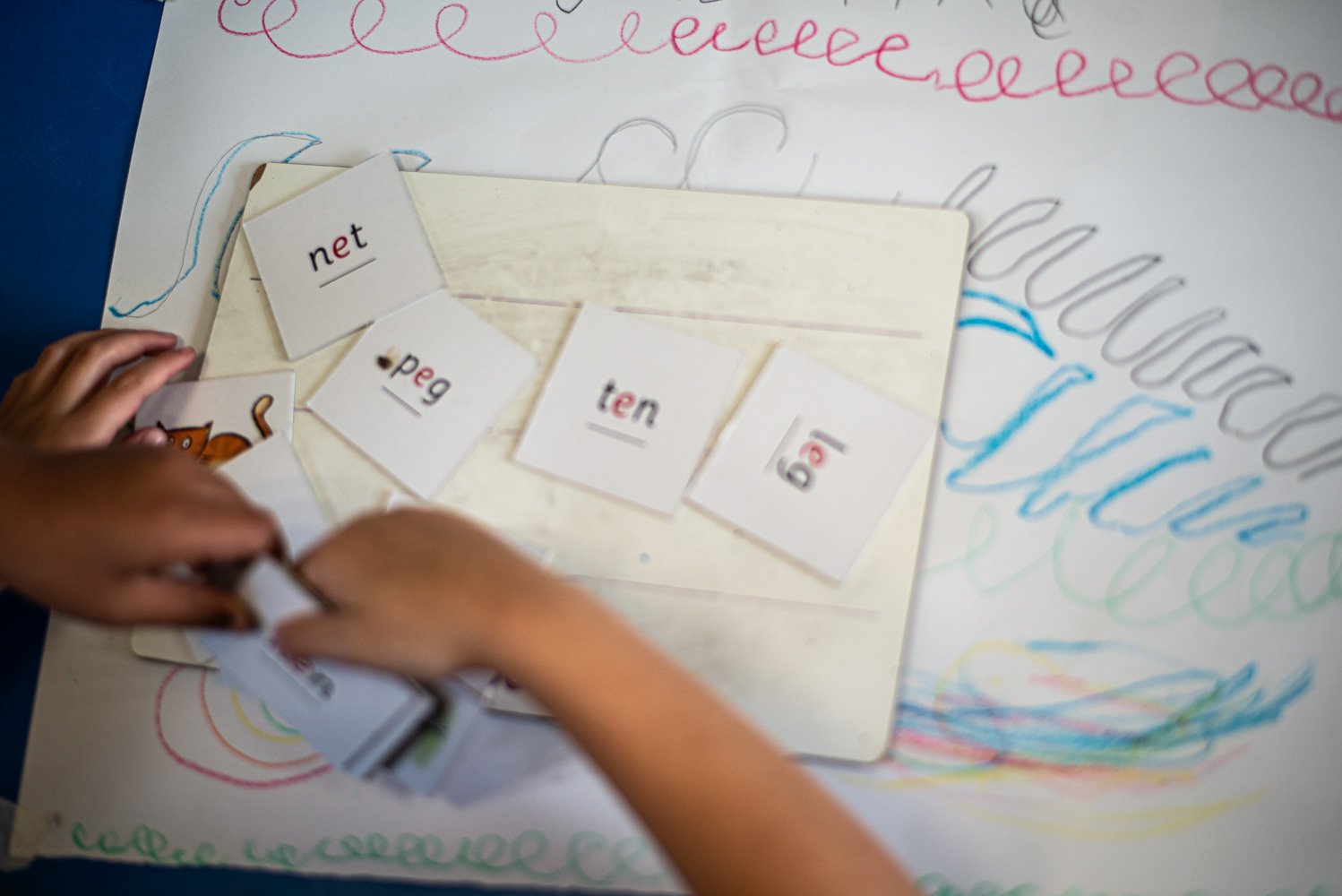
We have adopted a rigorous, systematic, synthetic phonics programme; Little Wandle Letters and Sounds Revised. It’s structured approach and awareness of avoiding cognitive overload means our learners are acquiring the phonic knowledge they need to read and spell quickly and with confidence.
Regular group reading sessions which have a specific focus on decoding, prosody and comprehension form a structured approach to the teaching of reading which begins with decodable books. We want our learners to be confident readers that develop a love of reading. we chose high quality texts for our English lessons, to read to the children and for our book corners and school library.
We develop children’s writing through a rigorous approach to the teaching of spelling, punctuation and grammar. We use the Little Wandle Spelling resources in Year 2:
Phase 5 review - Five weeks of planning to review and secure Phase 5.
Bridge to spelling - Five weeks of planning to teach foundational skills for spelling.
Spelling units - 20 weeks of planning to create confident spellers and complete your coverage of the Year 2 spelling requirements.
We follow the progression of the Little Wandle handwriting scheme to teach handwriting.
Our aim is to make sure all children make sufficient progress to meet or exceed age-related expectations in reading and writing.
Writing
We have chosen to use Drawing Club and Curious Quests as a way to teach writing and to inspire our learners to become confident, independent writers with a love of language.
Why Drawing Club?
To excite children with the magic world of tales and story, whilst enriching their language skills, developing their fine motor skills and into a love of writing. It immerses children into a world full of imagination where anything can happen and it often does. It develops a wide range of skills across the whole curriculum, particularly focusing on making conversations, mark making and mathematics. Children’s creative streaks are enhanced as well as their ability to share ideas and skills. It provides an age-appropriate approach that is highly engaging.
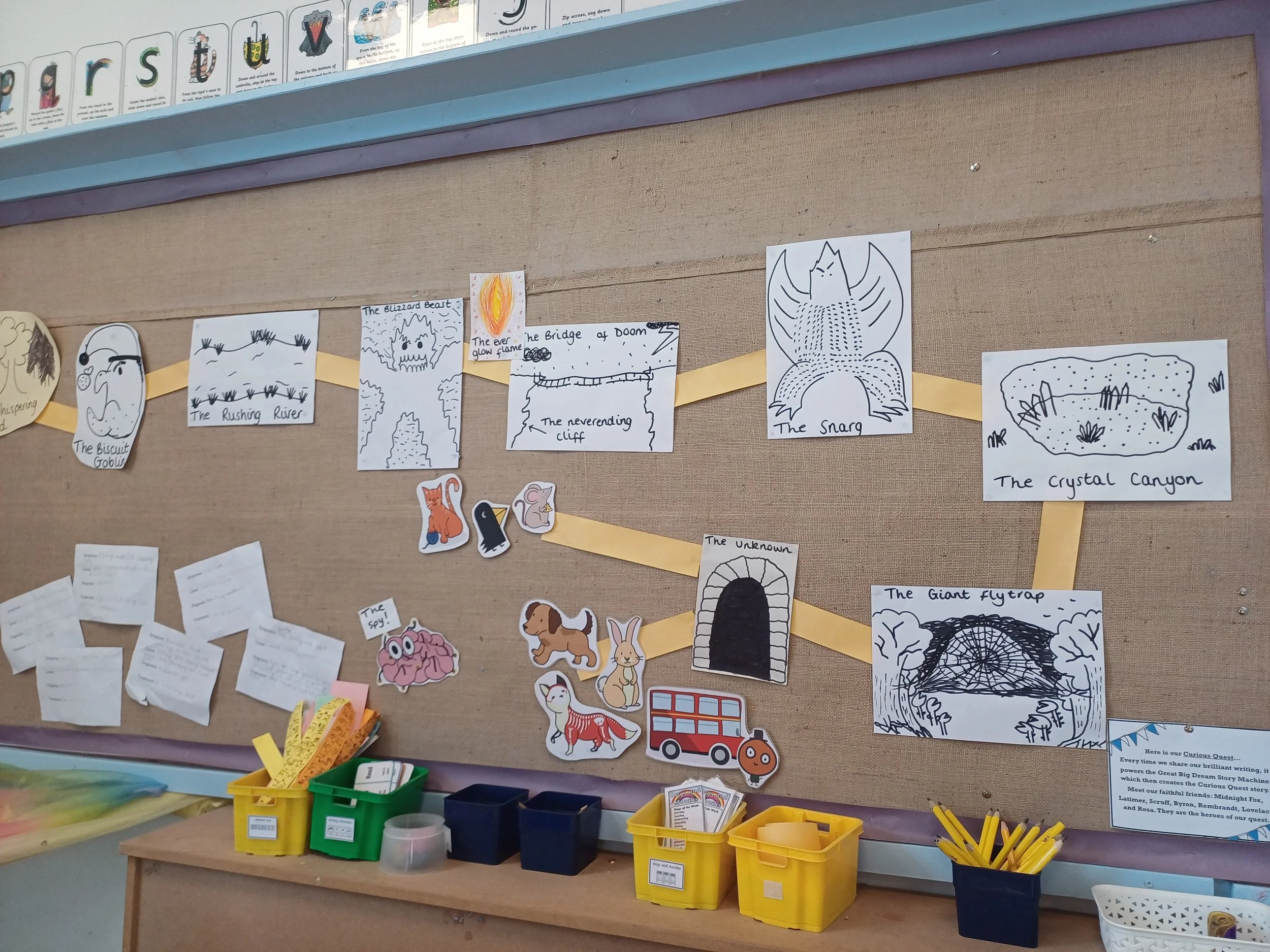
Curious Quests
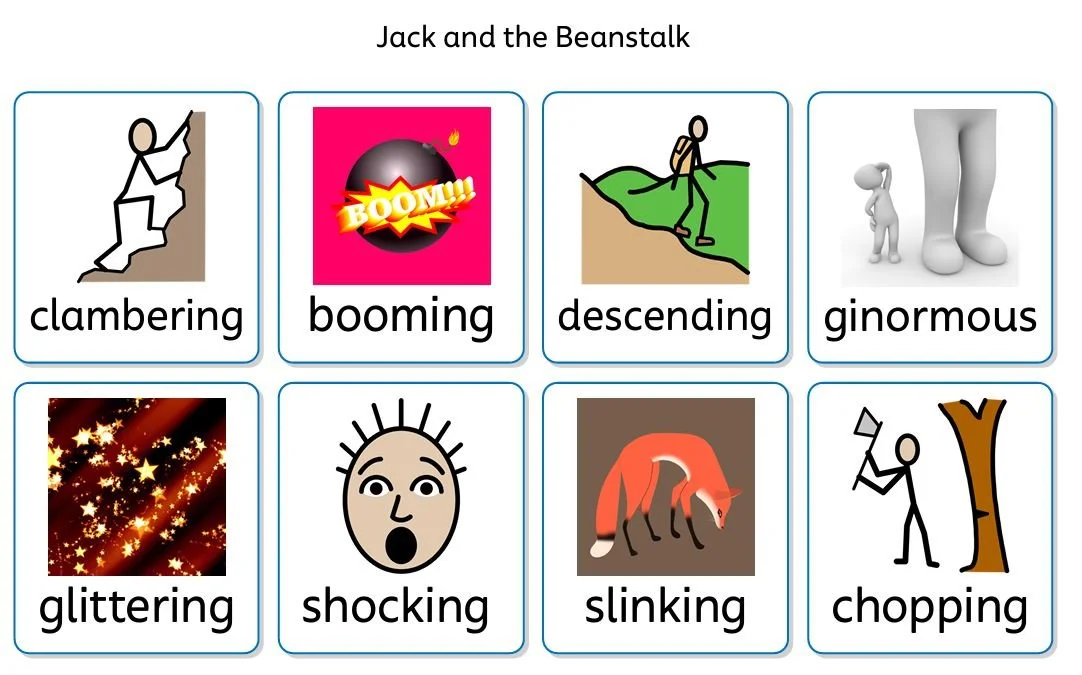
To support transition from Early Years to Key Stage One, we have adopted ‘The Curious Quests‘ as our approach for teaching writing to years 1 and 2. This approach builds on ‘Drawing Club’ by giving opportunities for children to learn the mechanics of writing through explicit vocabulary teaching, giving children a purpose for writing, igniting their imagination and supporting the development of writing through small group work with the teacher. The children will also have independent access to carefully resourced continuous provision. Through this approach, we aim to create children who are creative and excited about writing, while being able to apply the relevant skills and knowledge so that they are competent writers too.
Drawing Club and Curious Quest sessions are structured around a series of ‘mini moments’. This always starts with vocabulary and then moves onto sharing a text, teacher modelling of drawing or writing which take place with lots of talk happening and then group activities in which children may be writing with a teacher, writing independently or ‘inventuring’ which involves creating something that they will then write about, it could be a model, a picture or some role play.
-
Spelling
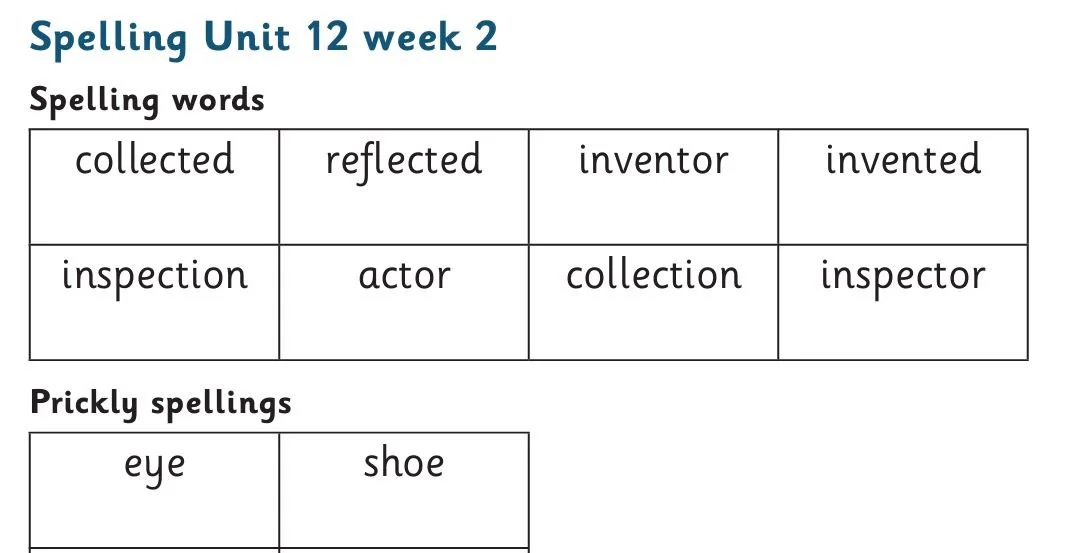
The Little Wandle Spelling programme begins with a five-week review of Phase 5. The Bridge to spelling teaches children how to ‘think about spelling’. Over five weeks, the children will complete the alphabetic code and learn the underpinning concepts of spelling. Once this learning is secure, children are ready to move on to the Year 2 Spelling units. The Spelling units follow the familiar structure of Little Wandle phonics lessons, supporting children to make links to their phonics learning. Little Wandle Spelling teaches children to consider etymology, morphology and grammar when spelling new words. The programme provides full coverage of National Curriculum spelling requirements.
-
Grammar and Punctuation
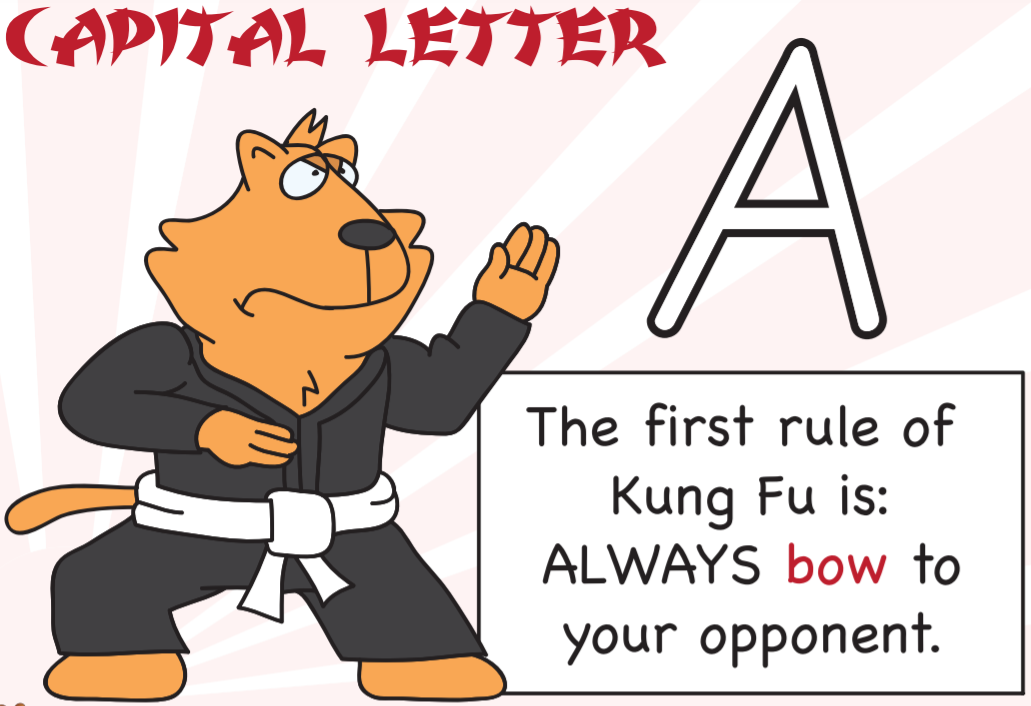
Grammar is taught within English lessons, linked to key texts wherever possible and sometimes discretely. Whole school strategies such as KungFu Punctuation and Exciting Sentences are used to support children's understanding and application of grammar and punctuation
-
Handwriting
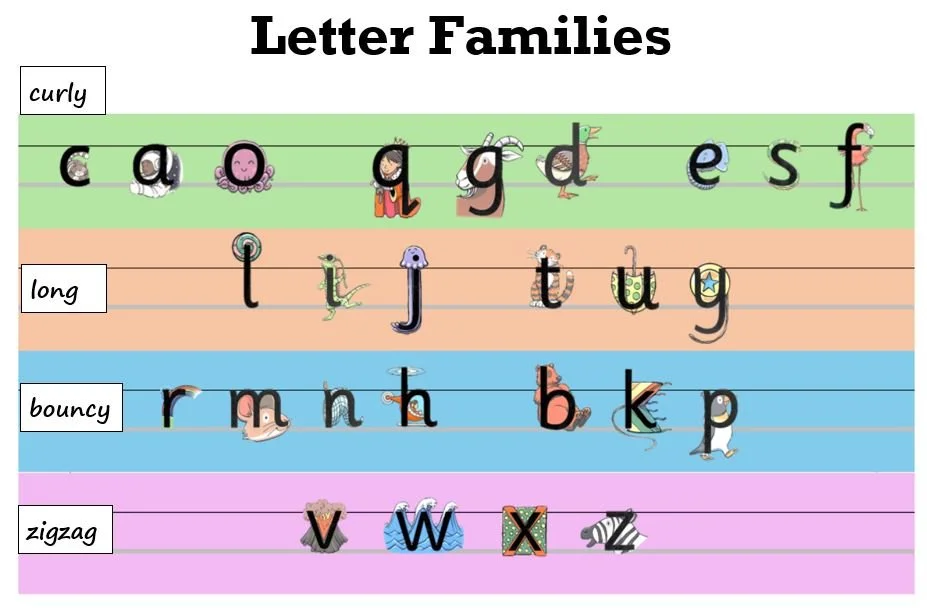
We use the Little Wandle Handwriting Scheme. It covers:
The importance of developing core strength and motor control.
Refining fine motor control skills.
Correct pencil grip and posture.
Formation of letters – lower-case and capital letters.
Sizing and spacing of letters.
Joins and progression to cursive writing.
Fluency and developing a personal style.
Our English Gallery


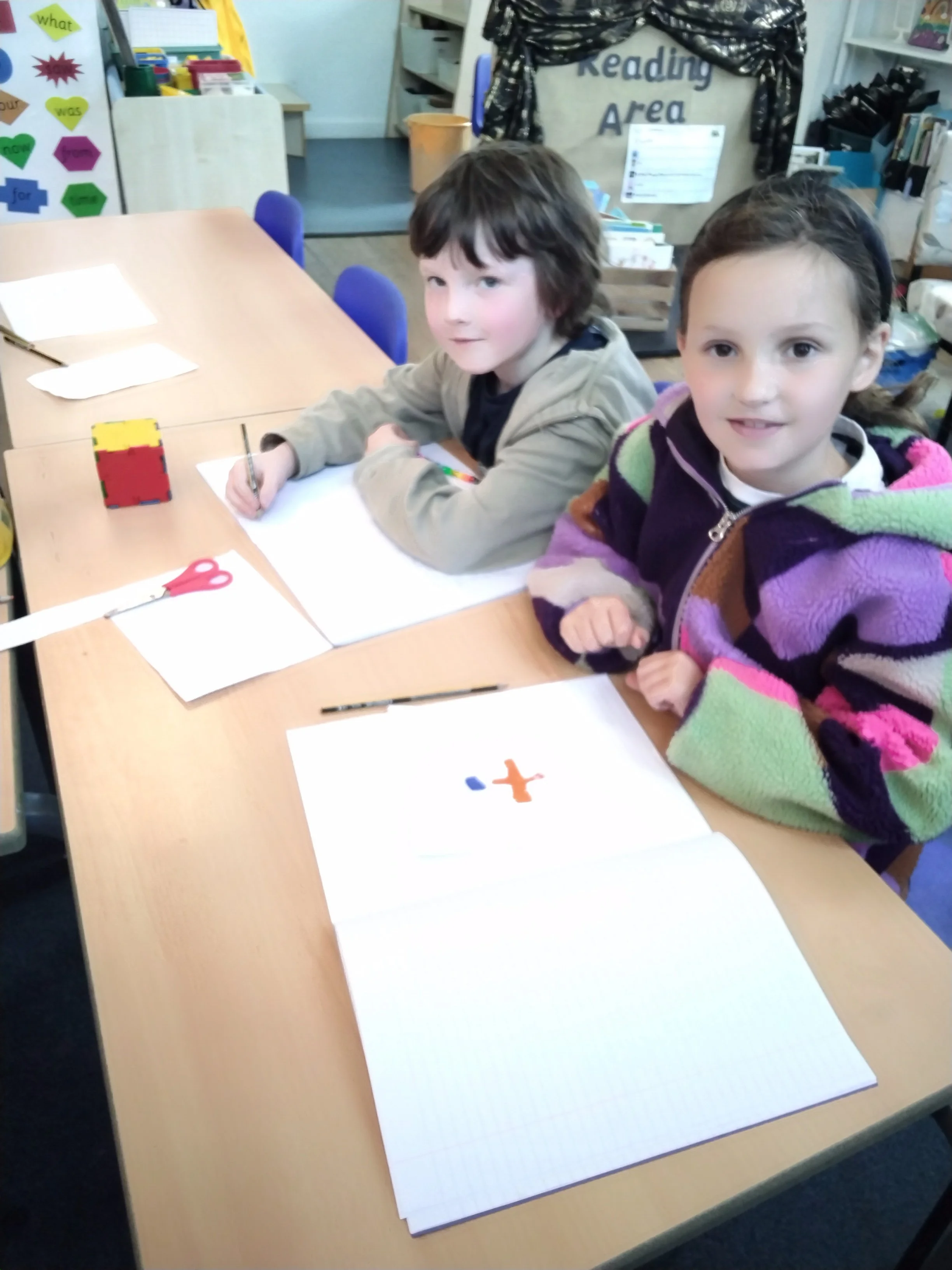
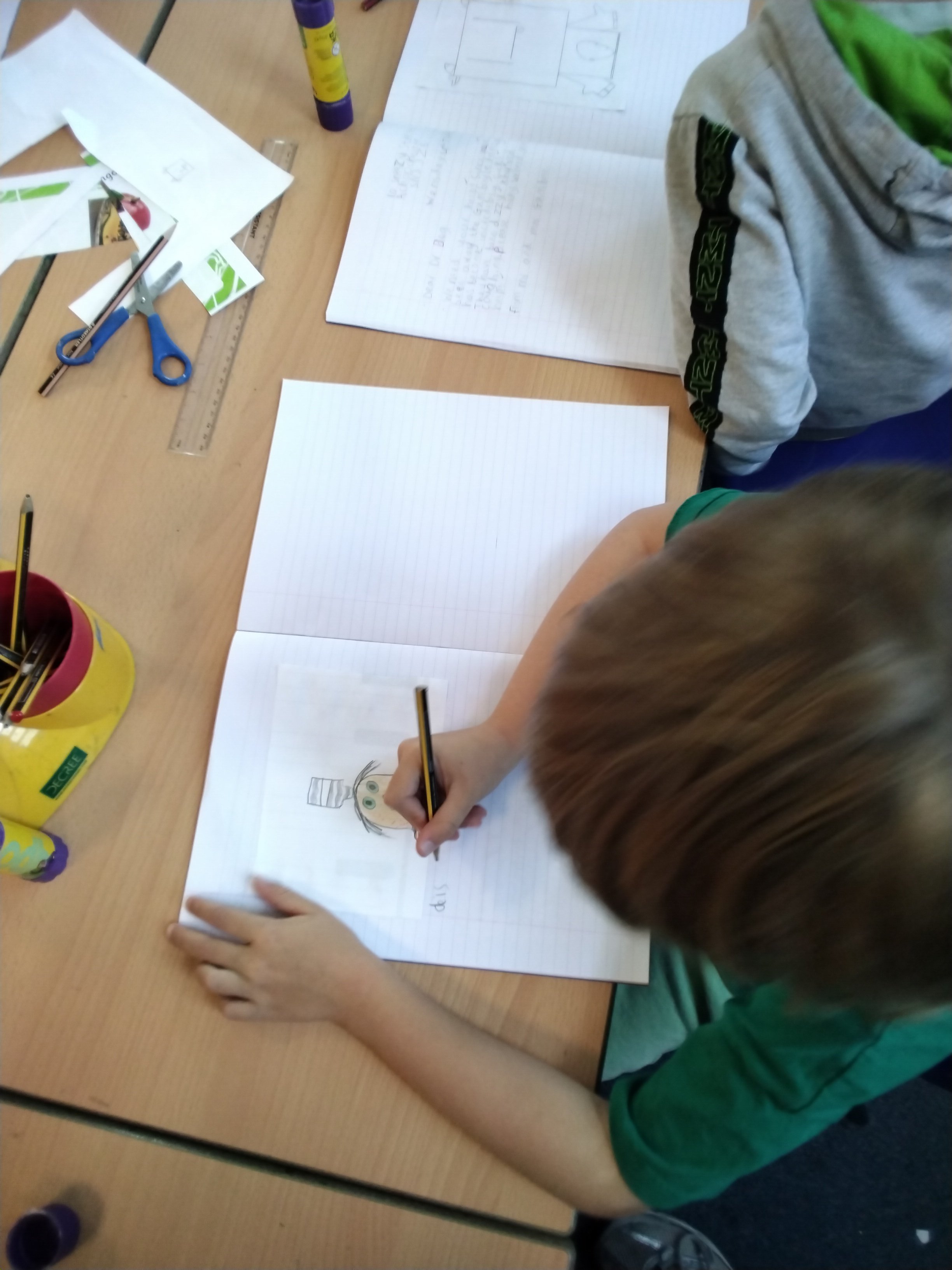
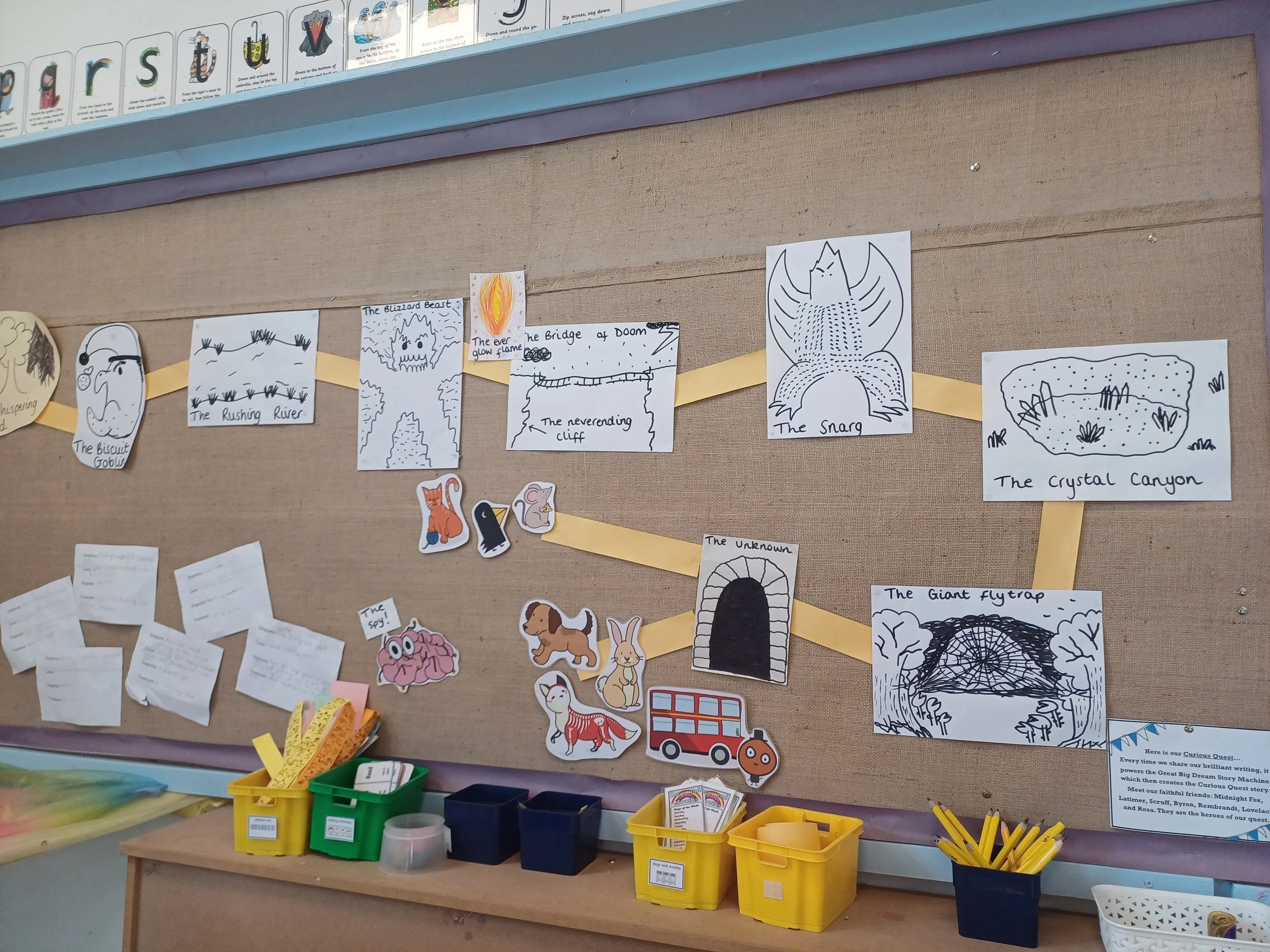
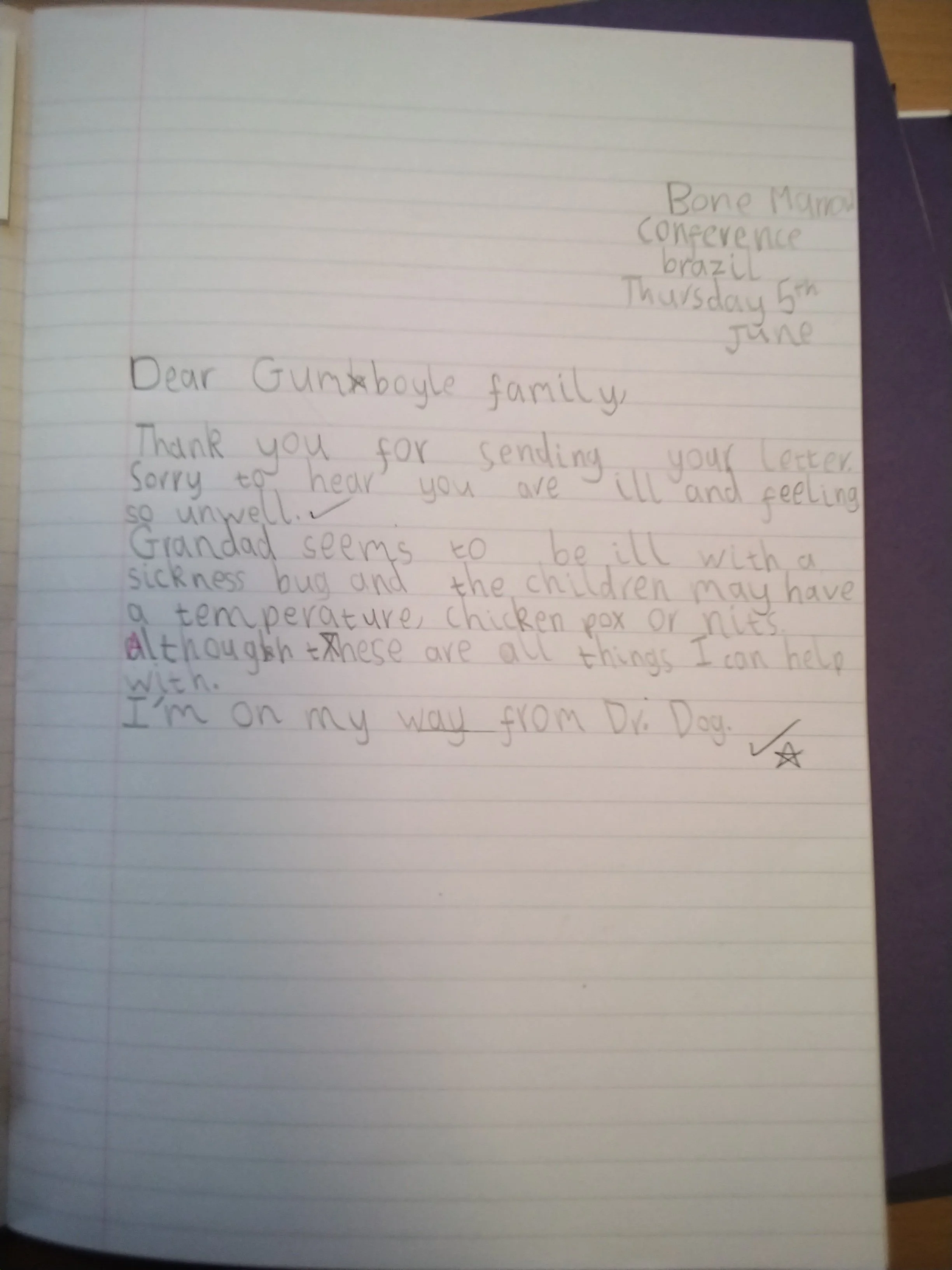
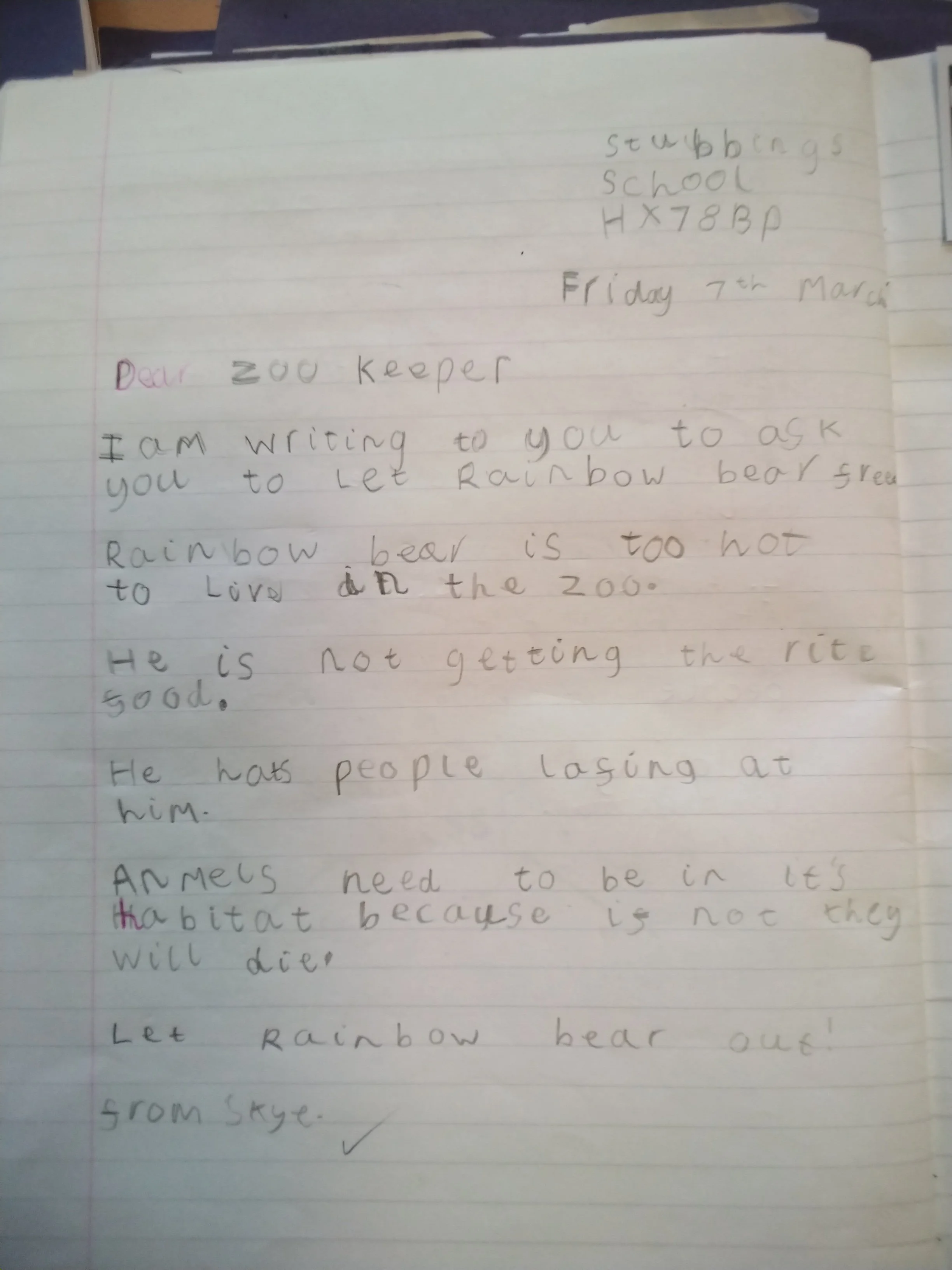
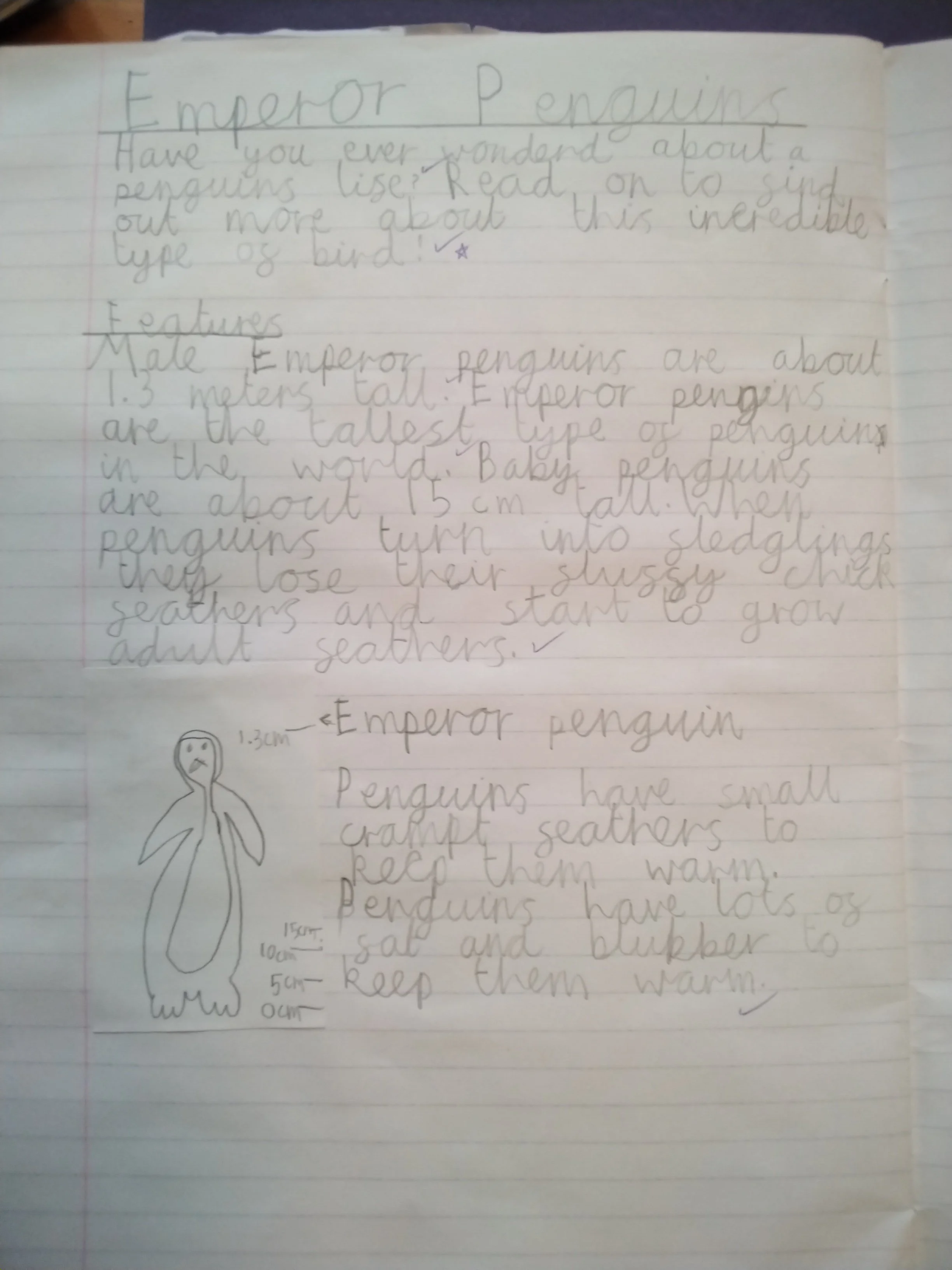
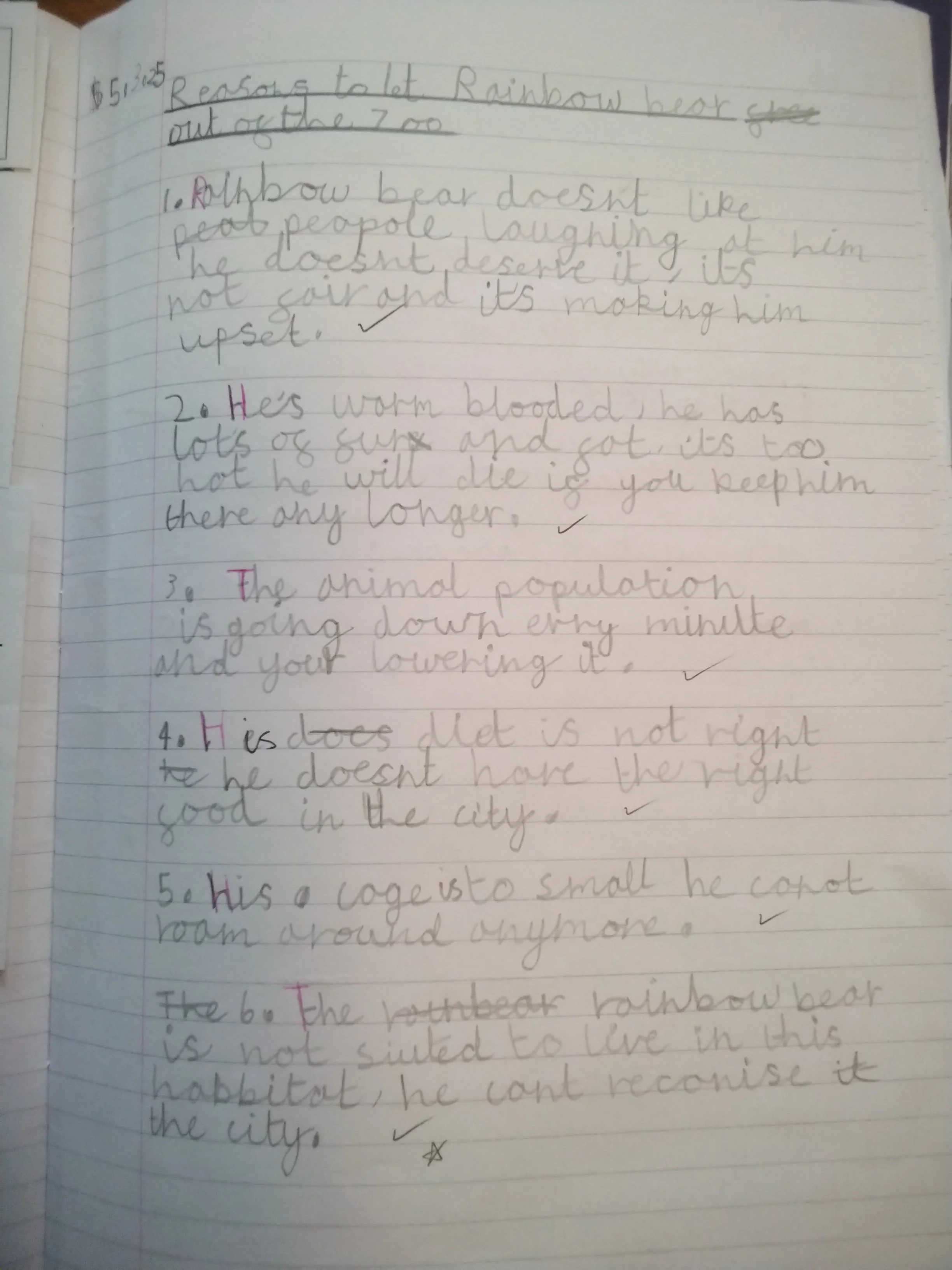
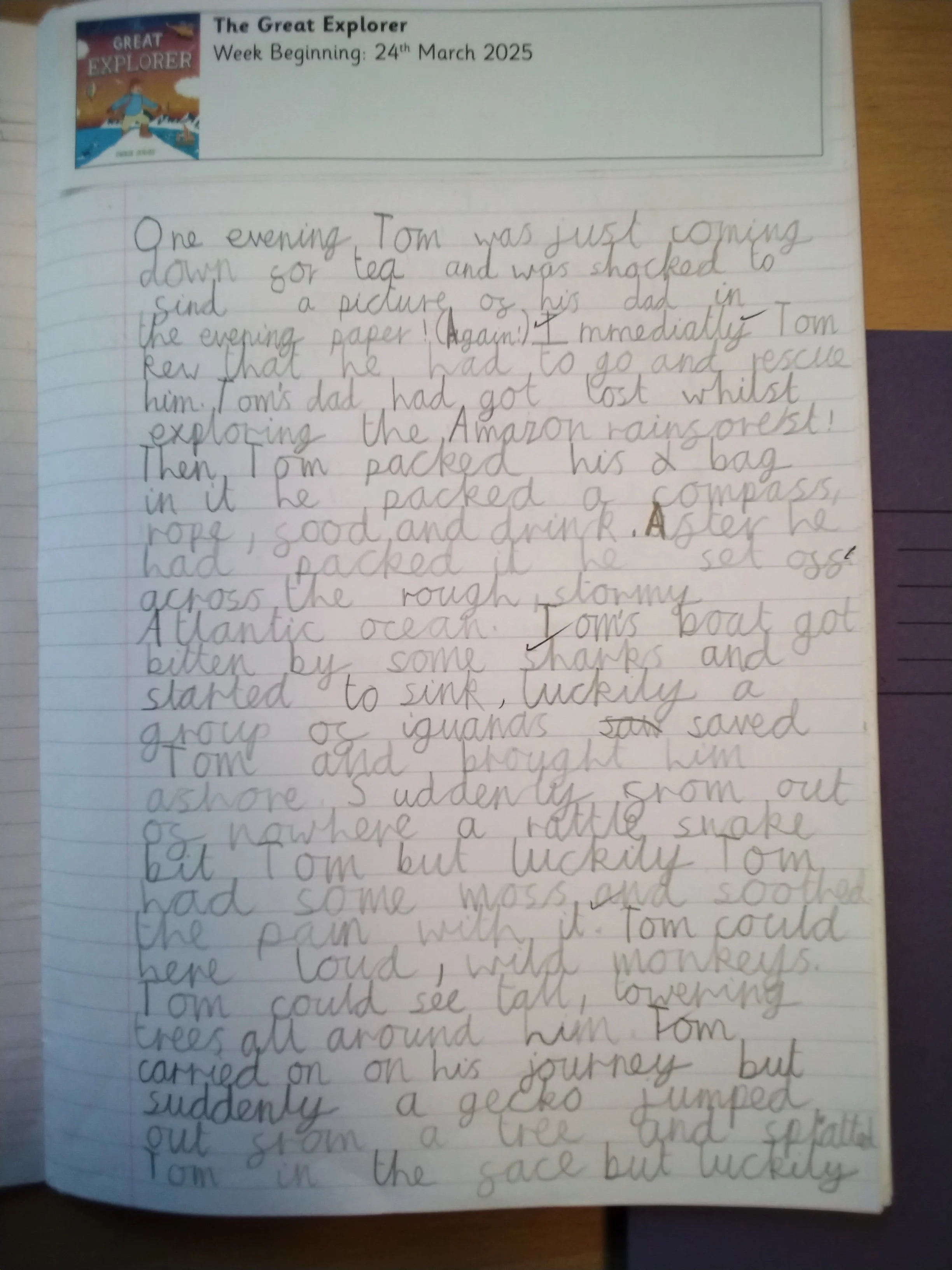
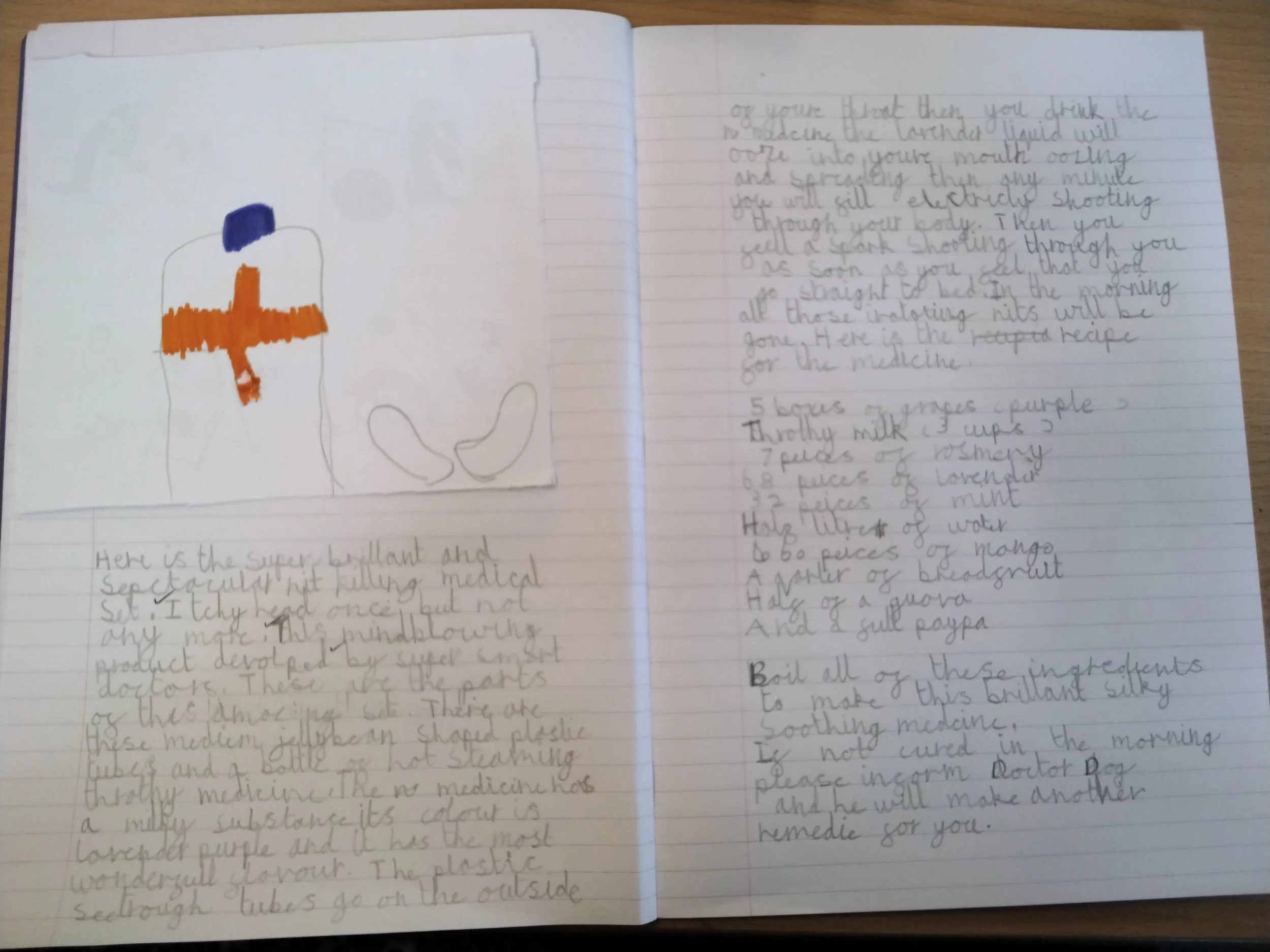
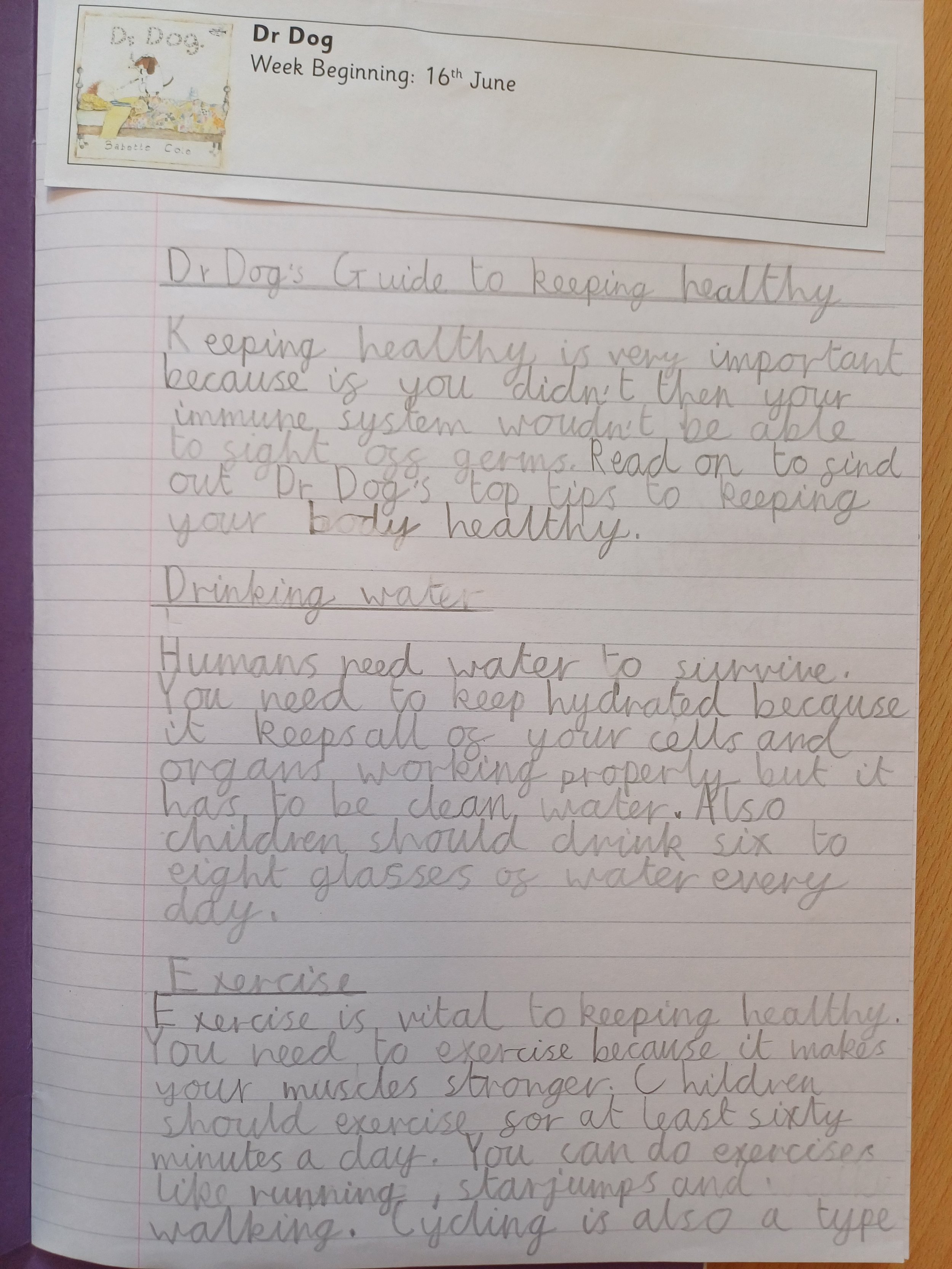
“I am challenging myself to write interesting sentences using adjectives.”
— Marlowe, Year 2